HEALTHAIDE
  • Home
  • For People
    • Asthma
    • Anxiety
    • Back Pain
    • Cancer
    • Children and Young Adults
    • Chronic Pain
    • COPD
    • Depression
    • Diabetes
    • First Aid
    • Heart Health
    • Health and Wellness
    • Hearing Loss
    • Women's Health
    • Online Health Services
  • For Clinics
    • Content Library
    • HealthAide CRM Tutorials
  • Blog
    • Health Blog
    • Business Blog
  • Order Form - HealthAide Pro(Standard)

Health Blog

Training smarter, not harder

26/8/2019

0 Comments


There is emerging scientific research that training loads are directly correlated to injury risk.


Training load injuries are generally caused by:
  1. A spike training load from a period of inactivity or the training history of the individual 
  2. A high training load sustained for a long period (> 8 weeks) of time without recovery weeks or deloading 
  3. Sustaining a monotonous, consistent daily training load across the week without recovery days 

External vs Internal Training Loads

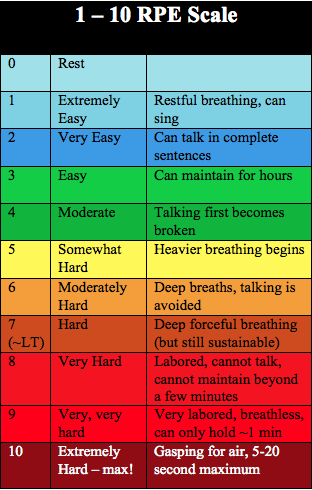
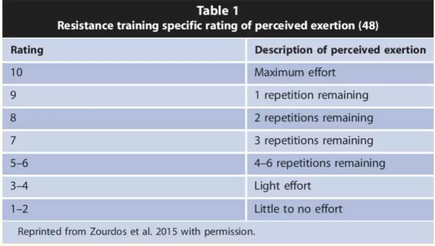
Specifically, there are 2 types of training loads: External Loads and Internal Loads. External loads measure the amount of external workload eg. (running on the treadmill, weight lifting) to the individual while internal load measures the individual’s post exercise heart rate or rate of perceived exertion (RPE) as a response to the external workload. 

Rate of Perceived Exertion Guides for Aerobic and Resistance Training​
Picture
Picture

It is important to understand that to optimise performance, there needs to be a fine balance between training hard and overloading resulting in injuries and comprising performance. This sounds like common sense however to accurately monitor training loads is a challenging task given that it is associated with frequency, duration and intensity. Duration and frequency are relatively easy to measure however intensity could be measured by for example, how fast you are running, your heart rate, how much weight you are lifting with the barbell or the complexity or speed of the movements you are performing. Tracking your training loads is not just about managing the specific exercise you are doing but can help you determine when it may be appropriate for you to do some cross-training or vary your load.

Acute on Chronic Workload Ratio (ACWR)

For those who are a serious about injury prevention and performance optimisation,a great way to find your training ‘sweet spot’ while minimising the risk of injury is by using the Acute on Chronic Workload Ratio calculator. Scientific research indicates a 0.8-1.3 ratio range is ideal. Injury risk increases at a 1.5 ratio or higher.

To calculate your ratio, multiply your rate of perceived exertion (RPE) after each exercise with the duration, intensity or frequency of the exercise session (external load). The Acute Workload is over a 7 day period. The Chronic Workload is over a 28 day period. The ratio is the result of dividing the Acute Workload by the Chronic Workload.

Tips:
  1. Use an activity tracker to monitor your training loads, noting the frequency, intensity and duration of your activities. Free GPS activity tracking apps recommended include Strava for cycling and running and RunKeeper for running.
  2. Consider calculating and tracking your Acute on Chronic Workload Ratio (ACWR)
  3. Consider varying the load (high, moderate and low) or cross-training on consecutive days for example, running on day one, lifting weights on day two and swimming on day three.
  4. Avoid sudden increases in load after a period of inactivity such as a break after a marathon event, post-injury or a relaxing holiday.
  5. A rule of thumb is to increasing the exercise 5-10% per week (either frequency, duration or intensity) however it is important to be aware that a 5-10% increase in intensity is a significant change compared to a 5-10% increase in duration or frequency. ​​

​Disclaimer: This text does not serve as medical advice and if you have any questions, seek advice from your doctor.

Blog post written by Barry Nguyen, an experienced sports and musculoskeletal physiotherapist and digital health expert.
0 Comments

Your comment will be posted after it is approved.


Leave a Reply.

    Author

    Contributors
    Dr Khurram Akhter
    Barry Nguyen
    Jack Perisa
    ​Marijn Kortekaas
    ​Grahame Grieve
    ​
    Kat Penno
    ​
    Carla Johnson
    Thoughts Of The Week

    Archives

    March 2020
    February 2020
    December 2019
    November 2019
    October 2019
    September 2019
    August 2019
    July 2019
    November 2018
    October 2018

    Categories

    All
    Asthma
    Back Pain
    Blood Pressure
    Cancer
    Children
    Chronic Pain
    COPD
    Diabetes
    Digital Health
    First Aid
    Health Technology
    Health & Wellness
    Heart Health
    Mental Health
    Track Health
    Womens Health

    RSS Feed

GO TO
Home
Browse
Blog
Sitemap​
ABOUT
About Us
Contact Us
Careers
​
Press
​
POLICIES
Terms of Use
​Privacy Policy

SOCIAL
HealthAide is an independent resource. We do not own shares or make profits from the products listed on this site. Products and services have been curated using the Four Principles of Healthcare Ethics (Beauchamp, T. and Childress, J. (1985) Principles of Biomedical Ethics)
© COPYRIGHT 2018. ALL RIGHTS RESERVED.
  • Home
  • For People
    • Asthma
    • Anxiety
    • Back Pain
    • Cancer
    • Children and Young Adults
    • Chronic Pain
    • COPD
    • Depression
    • Diabetes
    • First Aid
    • Heart Health
    • Health and Wellness
    • Hearing Loss
    • Women's Health
    • Online Health Services
  • For Clinics
    • Content Library
    • HealthAide CRM Tutorials
  • Blog
    • Health Blog
    • Business Blog
  • Order Form - HealthAide Pro(Standard)